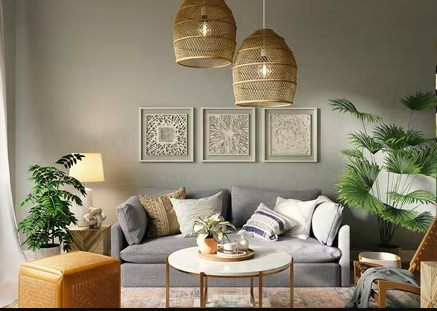
Creating a home that feels like a sanctuary shouldn’t require emptying your bank account. We often think that a beautiful, magazine-worthy living space is reserved for the wealthy, but that simply isn’t true. Economy Home Decor is all about being smart, resourceful, and creative. It is the art of transforming a space using affordable methods that look high-end. Whether you live in a small apartment or a large house, embracing Economy Home Decor allows you to design a space that reflects your personality while keeping your finances in check.
In this extensive guide, we will explore how you can master Economy Home Decor. We will cover everything from finding hidden gems at thrift stores to mastering simple DIY projects that make a huge impact. You don’t need a professional interior designer; you just need a little inspiration and a willingness to try new things. Let’s dive into the world of budget-friendly design.
What is Economy Home Decor?
At its core, Economy Home Decor is a strategy for improving your living conditions without spending much money. It challenges the misconception that style equals high cost. Instead, it proves that with a clear plan and imaginative thinking, anyone can curate a home that is both classy and comfortable.
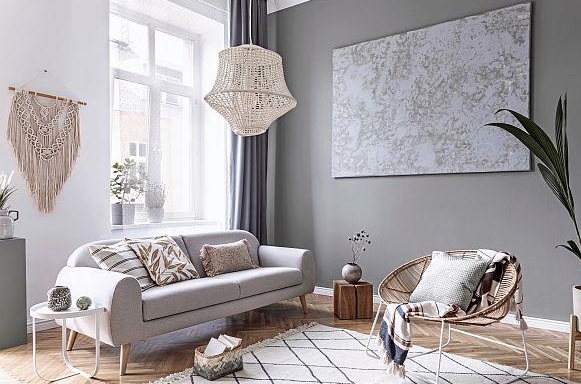
Economy Home Decor isn’t just about being cheap; it is about value. It teaches people to design their living spaces economically yet retain charming aesthetics. By focusing on viable, resourceful, and sustainable decisions, you can achieve a luxury look for a fraction of the price. This approach often leads to a more personalized home because you are curating pieces that have a story, rather than buying a matching set from a showroom floor.
The Benefits of Budget-Friendly Design
Adopting an Economy Home Decor mindset has several benefits beyond saving money:
- Sustainability: By upcycling and buying secondhand, you reduce waste.
- Creativity: Limited funds often spark the most innovative solutions.
- Uniqueness: Your home won’t look like a catalog copy; it will look like you.
Sourcing Your Treasures: The Art of the Hunt
One of the pillars of Economy Home Decor is knowing where to shop. You cannot rely solely on high-end retail stores if you want to stay within budget. Instead, you must become an explorer of alternative marketplaces.
Thrift Stores and Vintage Finds
If you want unique pieces, thrift stores are your best friend. These shops are treasure troves waiting to be discovered. You can find high-quality, older furniture that is built better than modern, mass-produced items. Look for solid wood pieces that might just need a little love. Vintage finds add character and history to a room that brand-new items simply cannot replicate.
When shopping for Economy Home Decor at secondhand shops, keep an open mind. Ignore the current color or fabric of an item and look at its shape and structure. A chair with ugly upholstery but a beautiful frame is a prime candidate for a makeover.
Online Marketplaces and Flea Markets
The internet has made Economy Home Decor easier than ever. Platforms where locals sell used goods are goldmines for affordable furniture. Often, people just want to get rid of items quickly and will sell them for pennies on the dollar. Flea markets are another excellent source for quirky accessories and unique art. Haggling is often expected here, which can help you save even more.
The Power of DIY and Upcycling
You cannot talk about Economy Home Decor without mentioning the importance of doing it yourself. DIY projects are the heart and soul of budget decorating. They allow you to customize items to fit your exact style without the custom price tag.
Transforming Furniture with Paint
Repainting is perhaps the cheapest and most effective way to change the look of a room or a piece of furniture. A dark, dated cabinet can become a modern statement piece with a coat of crisp white or navy blue paint. Upcycling old furniture gives it a fresh look and extends its life, which is a key principle of Economy Home Decor.
Don’t be afraid to experiment. You can paint wood, metal, and even some fabrics. Changing the hardware—like knobs and handles—on a dresser or kitchen cabinets is another low-cost tweak that makes furniture look brand new.
Creating Your Own Art
Wall art can be incredibly expensive, but Economy Home Decor encourages you to make your own. You don’t need to be a professional artist. You can frame interesting fabric swatches, wallpaper samples, or even pages from an old calendar. Creating a gallery wall with vintage finds and personal photos is a great way to cover a large space cheaply.
Setting the Foundation: Color and Light
The atmosphere of a room is largely determined by its color palette and lighting. Economy Home Decor relies heavily on these two elements because they are relatively cheap to change but have a massive visual impact.
Choosing Neutral Colors
For a timeless and expensive look, stick to neutral colors. Shades of beige, gray, white, and cream create a tranquil environment and make small spaces feel larger and more open. Neutral colors also act as a blank canvas, allowing you to swap out cheaper accessories like pillows and throws when you want to change the color scheme, rather than repainting the whole room.
Lighting and Ambiance
Lighting is the secret weapon of Economy Home Decor. Harsh overhead lighting can make even expensive furniture look cheap. Instead, layer your lighting. Use lighting sources like floor lamps, table lamps, and string lights to create a warm, cozy glow.
You can find budget-friendly lamps at thrift stores or discount retailers. Swapping out a dated light fixture for a modern drum shade or a simple industrial pendant can instantly modernize a room. Remember, Economy Home Decor is about mood as much as it is about objects.
Textiles, Plants, and Accessories
Once you have your furniture and color scheme, it is time to accessorize. This is where Economy Home Decor truly shines, as you can add layers of texture and personality without spending much.
The Magic of Textiles
Textiles—rugs, curtains, throw pillows, and blankets—soften a room and make it feel lived-in. A well-placed rug can hide an ugly floor and define a seating area. Economy Home Decor experts suggest buying plain, inexpensive pillow inserts and covering them with high-quality or interesting fabrics. You can even sew your own pillow covers from old sweaters or shirts for a unique touch.
Bringing Life with Plants
Plants are the ultimate budget-friendly decor item. They bring warmth, color, and vitality into any room while improving air quality. If you are new to plants, start with resilient varieties like snake plants or succulents. They are hard to kill and look sculptural and modern. Placing plants in interesting pots—perhaps mugs or bowls found at thrift shops—adds another layer of style to your Economy Home Decor.
Adding Personal Touches
Your home should tell your story. Personal touches are what turn a house into a home. Display family photos, souvenirs from your travels, or collections of items you love. These items cost nothing to display but add immense value to the feel of the room. Economy Home Decor is not about stripping away personality; it is about highlighting what matters to you in a stylish way.
Smart Furniture and Layouts for Small Budgets
When you are on a budget, you often have to work with smaller spaces or less-than-ideal layouts. Economy Home Decor offers solutions for this through smart furniture choices.
Multi-Purpose Furniture
Invest in multi-purpose furniture. A sofa bed, a coffee table with hidden storage, or a dining table that folds down are excellent choices for efficiency. These pieces save you money because you are buying one item that does the job of two. In the world of Economy Home Decor, functionality is just as important as aesthetics.
Storage Solutions
Clutter makes any home look cheaper and smaller. innovative storage solutions are essential. You don’t need expensive built-ins. Use mason jars, old crates, or fabric-covered boxes to organize your shelves. Economy Home Decor utilizes vertical space; install simple floating shelves to store books and display decor items. This keeps your floor clear and makes the room feel larger.
Budget Strategies for Success
To truly succeed with Economy Home Decor, you need a plan.
- Set a Budget: Know exactly how much you can spend before you start.
- Prioritize: Decide which room needs the most help and start there.
- Avoid Impulse Buys: Wait for sales or hunt for the specific item you need at secondhand stores.
- Shop Your Home: Before buying anything, look at what you already own. Can you move a rug from the bedroom to the living room? Can you paint an old chair? Economy Home Decor often starts with what you already have.
Seasonal Updates on a Dime
You can keep your Economy Home Decor fresh by making small seasonal changes. In the winter, add heavy, cozy blankets and warm-toned pillows. In the summer, switch to light linens and fresh flowers. These small swaps keep your home feeling current without requiring a full renovation.
Conclusion
Economy Home Decor is an empowering approach to interior design. It allows you to take control of your environment, regardless of your income. By embracing DIY projects, hunting for vintage finds at thrift stores, and focusing on sustainable choices like upcycling, you can create a home that is uniquely yours.
Remember that Economy Home Decor is a journey, not a race. Take your time to find the right pieces. Paint that old dresser, propagate your plants, and play with lighting until the mood is just right. With a little creativity and effort, you can transform your space into a stylish haven. Start your Economy Home Decor journey today and discover the joy of creating beauty on a budget.
Frequently Asked Questions (FAQs)
1. What is the first step in starting Economy Home Decor?
The first step in Economy Home Decor is to declutter and assess what you already own. Before spending any money, clean your space and see if existing furniture can be repurposed or rearranged. Rearranging your layout is completely free and can drastically change the feel of a room.
2. How can I make my home look expensive with Economy Home Decor?
To make your home look expensive while sticking to Economy Home Decor principles, focus on neutral colors, decluttering, and good lighting. Adding large mirrors can also make a space feel grander. Uniformity in containers and frames also mimics a high-end customized look.
3. Are DIY projects necessary for Economy Home Decor?
While not strictly mandatory, DIY projects are highly recommended for Economy Home Decor. They save significant amounts of money on labor and retail markups. Even simple projects like spray-painting picture frames or sewing straight-line curtains can stretch your budget significantly.
4. Where are the best places to find affordable furniture?
The best places for affordable furniture are thrift stores, estate sales, flea markets, and online community marketplaces. You can also find great deals at discount home goods stores, but secondhand items often offer better quality materials for the price.
5. Can Economy Home Decor work for small apartments?
Absolutely. Economy Home Decor is perfect for small apartments. It emphasizes multi-purpose furniture and smart storage solutions, which are essential for small-space living. Using light colors and mirrors to expand the visual space is a classic economy decor trick.

