Dealing with sore, swollen, or bleeding gums can be uncomfortable and concerning. These are often the first signs of gingivitis, a common and mild form of gum disease. Fortunately, with the right oral hygiene routine, gingivitis is often reversible. A key part of this routine can be using an effective mouthwash. But with so many options available, finding the best mouthwash for gingivitis can feel overwhelming.
We will explore different types of mouthwashes, highlight key ingredients that make a difference, and help you understand how to choose the right product for your specific needs. Improving your gum health starts with knowledge, and we’re here to provide the insights you need to make an informed decision.
Understanding Gingivitis and Why Gum Health Matters
Before we dive into the specifics of mouthwash, it’s important to understand what gingivitis is and why your gum health is so crucial. Gingivitis is the earliest stage of gum disease, primarily caused by the buildup of plaque, a sticky film of bacteria, along the gumline. If not removed through daily brushing and flossing, this plaque can irritate the gums, leading to gum inflammation.
You might have gingivitis if you notice:
- Red, swollen, or tender gums
- Bleeding gums, especially when you brush or floss
- Persistent bad breath
Ignoring these symptoms can allow gingivitis to progress to a more serious condition called periodontitis, which can damage the bone and tissues that support your teeth and may even lead to tooth loss. Taking action early with a proper gingivitis treatment plan, which often includes the best mouthwash for gingivitis, is essential for protecting your smile and overall health. Healthy gums form a protective barrier, preventing harmful bacteria from entering your bloodstream and potentially affecting other parts of your body.
The Role of Mouthwash in Your Oral Hygiene Routine
While brushing and flossing are the cornerstones of good oral hygiene, adding a mouthwash can provide significant benefits, especially when you’re fighting gingivitis. A therapeutic mouthwash does more than just freshen your breath; it contains active ingredients designed to combat the root causes of gum problems.
Here’s how the best mouthwash for gingivitis can help:
- Plaque Reduction: It reaches areas your toothbrush might miss, helping to reduce plaque above the gumline.
- Kills Bacteria: Antiseptic mouthwash formulas kill the germs that cause plaque, gingivitis, and bad breath.
- Reduces Inflammation: Certain ingredients can soothe irritated gums and reduce the swelling and redness associated with gum inflammation.
It’s important to remember that mouthwash is a supplement to, not a replacement for, brushing and flossing. When used together, these practices create a powerful defense against gum disease.
Types of Mouthwash for Gingivitis Treatment
When you’re searching for the best mouthwash for gingivitis, you’ll encounter a few different categories. Understanding the differences will help you select the most appropriate option for your gum health needs.
Therapeutic vs. Cosmetic Mouthwash
The most critical distinction is between therapeutic and cosmetic mouthwashes.
- Therapeutic Mouthwash: These rinses are designed to treat or prevent oral health conditions. They contain active ingredients that are clinically proven to provide benefits like plaque reduction, fighting gingivitis, and preventing cavities. Many of the best mouthwash for gingivitis options are ADA-approved, which means the American Dental Association has reviewed the scientific evidence and verified the product’s safety and efficacy.
- Cosmetic Mouthwash: These products primarily offer temporary benefits, such as masking bad breath and providing a pleasant taste. They do not contain ingredients that actively kill bacteria or reduce plaque and gingivitis. While they can make your mouth feel fresh, they don’t offer a real gingivitis treatment.
For tackling gum issues, you should always choose a therapeutic mouthwash.
Antiseptic Mouthwash with Alcohol
Many traditional antiseptic mouthwash products contain alcohol. The alcohol acts as a solvent for the active ingredients and helps to kill bacteria effectively. Brands like Listerine have long used alcohol in their formulas, combined with essential oils, to fight plaque and gingivitis.
However, the alcohol content can cause a burning sensation and may not be suitable for everyone. People with sensitive gums or those who experience dry mouth relief needs might find alcohol-based rinses too harsh.
Alcohol-Free Mouthwash
In response to consumer needs, many brands now offer alcohol-free alternatives. These formulas are gentler and do not cause the same intense sensation, making them an excellent choice for individuals with sensitivity. An alcohol-free mouthwash can be just as effective at promoting gum health if it contains the right active ingredients, such as cetylpyridinium chloride (CPC). This makes them a leading contender for the best mouthwash for gingivitis for many people.
Key Ingredients to Look for in the Best Mouthwash for Gingivitis
The effectiveness of a mouthwash is estimated by its active ingredients. When comparing products, look for these powerful components on the label.
Essential Oils (Eucalyptol, Menthol, Thymol, Methyl Salicylate)
A combination of four specific essential oils has been clinically proven to penetrate the plaque biofilm and kill bacteria. This powerful quartet includes:
- Eucalyptol: Known for its antibacterial properties.
- Menthol: Provides a cooling sensation and helps to soothe irritated gums.
- Thymol: A potent antiseptic derived from thyme.
- Methyl Salicylate: Offers anti-inflammatory benefits and a minty flavor.
You’ll find this combination in many leading antiseptic mouthwash brands. Products with these ingredients are a strong choice when seeking the best mouthwash for gingivitis.
Chlorhexidine Gluconate
Chlorhexidine is a broad-spectrum, prescription-strength antiseptic that is highly effective for gingivitis treatment. It works by binding to the tissues in your mouth and releasing slowly over time, providing a sustained antibacterial effect. Dentists often recommend it for short-term use to control moderate to severe gum disease or after a dental procedure. Because of its potency, it is not typically intended for long-term daily use and may cause side effects like tooth staining.
Cetylpyridinium Chloride (CPC)
CPC is a common active ingredient in many over-the-counter alcohol-free mouthwashes. It is an effective anti-plaque and anti-gingivitis agent that works by killing bacteria and inhibiting their growth. A mouthwash with CPC is often considered a great best mouthwash for gingivitis for those who prefer a gentler formula.
Zinc
Zinc is another valuable ingredient. It helps control plaque, reduce malodor (bad breath), and can inhibit the calcification of plaque into tartar. Some of the newest formulations, hailed as a potential best mouthwash for gingivitis, use zinc to attack bacteria and improve gum health by reducing bleeding gums.
Natural Ingredients
For those who prefer a more natural approach, some mouthwashes use botanical ingredients. Natural ingredients like aloe vera, chamomile, and tea tree oil are known for their soothing and anti-inflammatory properties. These can provide dry mouth relief and be gentle on sensitive gums, while still contributing to better oral hygiene.
Fluoride
While not a direct gingivitis treatment, fluoride is a crucial ingredient for overall oral health. Fluoride helps to strengthen teeth enamel and prevent cavities. Some therapeutic mouthwashes include fluoride to provide comprehensive protection, making them a smart choice if you are prone to both gum issues and tooth decay. This multi-action approach is a feature of many products competing for the title of the best mouthwash for gingivitis.
Comparing Top Mouthwashes for Gingivitis
With so many products on the market, choosing one can be tough. Below is a table comparing some popular and effective options to help you find the best mouthwash for gingivitis for your routine.
| Mouthwash Type | Key Active Ingredients | Alcohol Content | Best For | Potential Downsides |
| Listerine Antiseptic | Essential Oils (Eucalyptol, Menthol, Thymol) | Yes (in most versions) | Effective plaque reduction and gingivitis control for those who don’t mind the intensity. | Can be too intense or drying for users with sensitive gums. |
| Crest Pro-Health Clinical | Cetylpyridinium Chloride (CPC) | Alcohol-Free | Gingivitis treatment and cavity prevention without the burn of alcohol. | Flavor may not be preferred by all users. |
| Parodontax Active Gum Health | Cetylpyridinium Chloride (CPC) | Alcohol-Free | Specifically formulated for bleeding gums and improving gum health. | May be more focused on gums than other oral concerns. |
| TheraBreath Healthy Gums | Cetylpyridinium Chloride (CPC) | Alcohol-Free | Gentle formula for sensitive gums and providing dry mouth relief. | Some users may find the flavor profile milder than expected. |
| Prescription Rinse | Chlorhexidine | Varies | Short-term, intensive treatment for moderate to severe gingivitis. | Requires a prescription; can cause staining with long-term use. |
| Natural Gum Rinse | Natural Ingredients (Aloe Vera, Tea Tree Oil) | Alcohol-Free | Users seeking a holistic approach with soothing, anti-inflammatory benefits. | Efficacy for severe cases may not be as robust as clinical formulas. |
Ultimately, the best mouthwash for gingivitis depends on your personal health needs, sensitivities, and preferences.
How to Correctly Use Mouthwash for Maximum Benefit
To get the most out of your chosen mouthwash, it’s important to use it correctly. Simply swishing for a few seconds isn’t enough.
- Brush and Floss First: Always start by brushing your teeth for two minutes and flossing to remove food particles and loosen plaque. This allows the mouthwash to reach all surfaces more effectively.
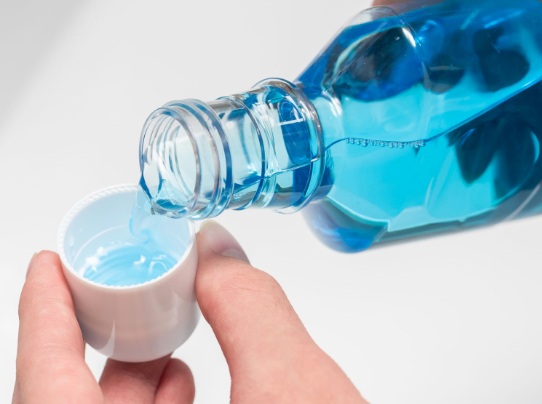
- Use the Right Amount: Pour the recommended amount (usually 20 mL or about 4 teaspoons) into a cup. Do not dilute it with water unless specified in the directions.
- Swish Vigorously: Rinse for the full recommended time, which is typically 30 seconds for an antiseptic mouthwash. Make sure you swish it around your entire mouth, between your teeth, and along your gumline.
- Gargle if Desired: Gargling for a few seconds can help kill bacteria on the back of your tongue and throat, which contribute to bad breath.
- Spit, Don’t Rinse: Spit the mouthwash out into the sink. Do not swallow it. Avoid rinsing your mouth with water immediately afterward, as this will wash away the active ingredients.
- Wait Before Eating or Drinking: For best results, wait at least 30 minutes after using mouthwash before eating or drinking.
Incorporating this practice into your daily oral hygiene routine—once or twice a day—can make a significant difference in your fight against gingivitis. Choosing the best mouthwash for gingivitis is the first step; using it correctly is the second.
When to See a Dentist
While using the best mouthwash for gingivitis can significantly improve your gum health, it’s not a cure-all. You should see a dentist if:
- Your symptoms don’t improve after a few weeks of diligent oral hygiene.
- Your gums are severely swollen, painful, or bleed heavily.
- You notice your gums are receding or pulling away from your teeth.
- Your teeth feel loose.
A dental professional can perform a professional cleaning to remove hardened plaque (tartar) and assess if you need more advanced gingivitis treatment. They can also provide a prescription for a chlorhexidine rinse if necessary and offer personalized advice on finding the best mouthwash for gingivitis.
Frequently Asked Questions (FAQs)
- Can mouthwash alone cure gingivitis?
No, mouthwash cannot cure gingivitis on its own. It is an important part of a complete oral hygiene routine that must include brushing twice a day and flossing daily. The best mouthwash for gingivitis works by killing bacteria and reducing plaque, but it cannot remove tartar. Only a professional dental cleaning can do that. - Is an alcohol-free mouthwash less effective?
Not necessarily. An alcohol-free mouthwash can be just as effective for gingivitis treatment as one with alcohol, provided it contains proven active ingredients like Cetylpyridinium Chloride (CPC). These formulas are a great option for people with sensitive gums, dry mouth, or who simply dislike the burning sensation of alcohol. Many dentists recommend ADA-approved alcohol-free options. - How long does it take to see results from a gingivitis mouthwash?
With consistent use as part of a daily routine, you may start to see improvements in your gum health, such as reduced bleeding gums and less gum inflammation, within one to three weeks. However, results can vary. If you don’t see any improvement, it’s best to consult your dentist. - What is the difference between a mouthwash with essential oils and one with CPC?
Both are effective for fighting gingivitis. A mouthwash with essential oils (eucalyptol, menthol, thymol) works by penetrating the plaque biofilm to kill bacteria. A mouthwash with CPC kills bacteria and helps prevent new plaque from forming. The choice between them often comes down to personal preference, brand loyalty, and whether you prefer an alcohol-based or alcohol-free formula. Both can be considered the best mouthwash for gingivitis. - Do I need a prescription for the best mouthwash for gingivitis?
Most effective mouthwashes for gingivitis are available over-the-counter. However, the most potent antiseptic ingredient, chlorhexidine, is only available by prescription. A dentist will typically reserve this for more severe cases or for use after a dental procedure. For most people with mild gingivitis, a therapeutic, ADA-approved over-the-counter mouthwash is sufficient.

