That sharp, stabbing heel pain with your first steps in the morning can be a frustrating start to the day. If you’re dealing with plantar fasciitis, you know this feeling all too well. The simple act of walking can become a painful chore. But what if the right pair of shoes could make a significant difference? Finding the best walking shoes for plantar fasciitis is a critical step toward recovery and rediscovering the joy of movement.
The plantar fascia is a thick band of tissue that runs across the bottom of your foot, connecting your heel bone to your toes. When this ligament becomes inflamed, it leads to the condition known as plantar fasciitis. This inflammation can be caused by many factors, including overuse, improper footwear, or even having flat feet or high arches. The right footwear provides the necessary support to reduce strain on this vital ligament, promoting healing and providing immediate walking comfort.
This guide will walk you through everything you need to know to select the ideal shoe. We’ll explore key features like arch support, heel cushioning, and stability, helping you understand what makes a shoe effective for managing plantar fasciitis. Get ready to find the perfect pair that will support your feet and help you get back to your daily activities without that nagging pain.
Understanding Plantar Fasciitis and How Shoes Can Help
Before diving into shoe recommendations, it’s essential to understand why certain features are so important. Plantar fasciitis involves strain and micro-tears in the plantar fascia ligament. Your shoes play a huge role in either aggravating this strain or alleviating it.
A poor choice in footwear—like shoes with no arch support or flimsy heels—can worsen your condition. They allow your foot to move in ways that put extra stress on the already-inflamed ligament. This is especially true for individuals with biomechanical issues like overpronation (where the foot rolls inward).
Conversely, a well-designed shoe can provide significant relief. The best walking shoes for plantar fasciitis are engineered to support the foot’s natural structure, absorb impact, and control harmful motion. By doing so, they reduce the tension on the plantar fascia, which allows it to heal and reduces daily heel pain.
Key Features of the Best Walking Shoes for Plantar Fasciitis
When shopping, it’s not just about brand names. It’s about the specific components of the shoe that work together to protect your feet. Here are the non-negotiable features to look for:
- Superior Arch Support: This is perhaps the most critical feature. Proper arch support helps distribute pressure evenly across your foot, preventing the arch from collapsing and straining the plantar fascia.
- Deep Heel Cushioning: A well-cushioned heel absorbs the impact of each step. This shock absorption is vital for protecting the sensitive heel area where plantar fasciitis pain is most intense.
- Firm Heel Counter: This is the rigid part at the back of the shoe that cups your heel. A firm heel counter provides stability and prevents your heel from wobbling, reducing abnormal stretching of the ligament.
- Balanced Cushioning: While cushioning is important, it shouldn’t be overly soft. A shoe with balanced cushioning offers both comfort and the supportive structure needed to prevent the foot from sinking and becoming unstable.
- Wide Toe Box: Your toes need room to splay naturally. A constricted toe box can cause other foot problems and affect your gait, indirectly impacting your plantar fascia.
How to Choose the Best Walking Shoes for Plantar Fasciitis
Selecting the right pair is a personal journey, as every foot is different. However, armed with the right knowledge, you can make an informed decision.
Assessing Your Foot Type and Needs
Your foot’s unique shape and mechanics will influence your choice.
Understanding Pronation
Pronation is the natural inward roll of the foot as you walk. While some pronation is normal, overpronation is common in people with flat feet and can be a major contributor to plantar fasciitis. If your feet roll inward excessively, you will benefit from a stability shoe. These shoes often have a denser midsole on the inner side to counteract the roll. Neutral shoes are better for those with normal arches or high arches who don’t overpronate.
The Importance of the Heel-to-Toe Drop
The heel-to-toe drop is the height difference between the heel and the forefoot. A higher drop (8mm or more) can help take some of the load off the Achilles tendon and, in turn, the plantar fascia. This can be particularly beneficial for heel strikers.
Considering a Rocker Sole
Some of the best walking shoes for plantar fasciitis feature a rocker sole. This curved sole helps guide your foot smoothly from heel to toe, reducing the pressure on your heel and midfoot. It can make walking feel more fluid and less strenuous.
A Closer Look at Essential Shoe Components
Let’s break down the anatomy of a supportive shoe.
| Feature | Why It’s Important for Plantar Fasciitis | What to Look For |
| Arch Support | Distributes pressure, prevents arch collapse, and reduces strain on the plantar fascia. | Built-in support that matches your arch height. Can be supplemented with orthotic insoles. |
| Heel Cushioning | Provides shock absorption to protect the heel from impact during walking. | Ample padding in the heel, often using special foams or gel. A rigid heel cup enhances this. |
| Firm Heel Counter | Offers stability by locking the heel in place and preventing excessive side-to-side motion. | Squeeze the back of the shoe. It should feel stiff and not collapse easily. |
| Durable Outsole | Ensures good traction to prevent slips and provides a stable foundation for the shoe. | Made from high-quality rubber that offers grip on various surfaces. |
| Breathable Materials | Keeps feet cool and dry, preventing blisters and discomfort during long walks. | Uppers made of mesh or other engineered fabrics. |
| Midsole Softness | A balance of softness for comfort and firmness for support. Too much softness can lead to instability. | Moderately firm foam that provides responsive cushioning without feeling mushy. |
Top Shoe Recommendations for Plantar Fasciitis Sufferers
Finding the best walking shoes for plantar fasciitis involves looking at models known for their support and comfort. While specific models change, brands like Brooks, HOKA, ASICS, and KURU consistently produce excellent options.
For Maximum Cushioning and Shock Absorption
Shoes in this category are designed to feel like you’re walking on clouds, but with the underlying support you need. They are excellent for long days on your feet.
- HOKA Bondi: Often praised for its maximalist cushioning, the Bondi provides exceptional shock absorption. Its wide platform offers great stability, and the early-stage rocker sole geometry promotes a smooth walking motion. This is a top contender for anyone seeking ultimate comfort.
- Skechers Max Cushioning Arch Fit: This line combines Skechers’ plush ULTRA GO™ cushioning with a podiatrist-certified arch support system. The removable insole molds to your foot to reduce shock and increase weight dispersion, making it one of the best walking shoes for plantar fasciitis.
For Superior Stability and Overpronation Control
If you have flat feet or tend to overpronate, a stability shoe is essential for your recovery.
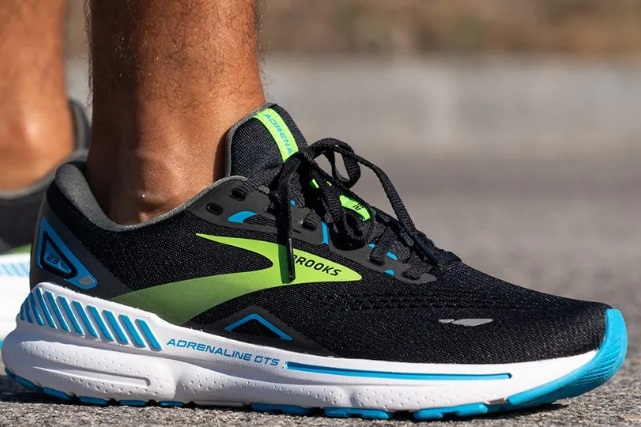
- Brooks Adrenaline GTS: A fan-favorite, the Adrenaline features Brooks’ GuideRails® technology, which acts like a bumper to keep excessive movement in check. It offers a perfect blend of soft cushioning and reliable support, making it a go-to for walkers who need extra stability.
- ASICS GEL-Kayano: The Kayano is a legendary stability shoe. It uses a combination of gel cushioning and a firm medial post to provide excellent shock absorption and control overpronation. Its structured design and firm heel counter make it a fortress of support for your feet.
For a Lightweight and Versatile Feel
Sometimes you want a shoe that is both supportive and lightweight enough for all-day wear without feeling bulky.
- KURU ATOM: KURU footwear is specifically designed for foot pain relief. Their patented KURUSOLE technology dynamically flexes with each step to hug and protect your heel. The ATOM model combines this heel-cupping tech with a lightweight build and responsive cushioning, making it an excellent choice for active individuals.
- New Balance Fresh Foam X 1080: While a neutral shoe, the 1080 offers a substantial amount of soft yet responsive Fresh Foam X cushioning and a secure fit. Its slightly rockered profile aids in smooth transitions, and its comfort makes it a reliable option for those who don’t need aggressive stability control but still want premium shock absorption.
Beyond the Shoe: Additional Tips for Recovery
While finding the best walking shoes for plantar fasciitis is a huge step, incorporating other strategies will accelerate your healing.
- Stretching: Regularly stretch your calves and the bottom of your feet. Towel stretches and rolling your foot over a frozen water bottle can provide significant relief.
- Orthotic Insoles: For some people, over-the-counter or custom orthotic insoles can provide the specific arch support needed. Look for insoles with a deep, rigid heel cup.
- Rest: Avoid activities that cause flare-ups. Give your feet the time they need to heal.
- Maintain a Healthy Weight: Excess body weight puts more pressure on your plantar fascia.
- Avoid Walking Barefoot: Especially on hard surfaces, walking barefoot offers no support and can worsen your symptoms.
Finding relief from plantar fasciitis is a process, but it starts with a solid foundation. Investing in a quality pair of shoes is an investment in your health and well-being. By prioritizing features like arch support, heel cushioning, and stability, you can transform walking from a painful task into a comfortable, enjoyable activity once again. The best walking shoes for plantar fasciitis are out there, waiting to help you take your next pain-free step.
Frequently Asked Questions (FAQs)
- Can running shoes be used as walking shoes for plantar fasciitis?
Yes, often running shoes offer superior cushioning, support, and durability compared to many casual walking shoes, making them an excellent choice. Models designed for stability or high cushioning are particularly effective. The key is to ensure they have the features discussed, such as a firm heel counter and good arch support. - How often should I replace my walking shoes?
Most experts recommend replacing walking shoes every 300-500 miles or every 6-8 months, whichever comes first. Over time, the midsole foam compresses and loses its ability to provide adequate shock absorption and support, which can lead to a return of your heel pain. - Are soft, flexible shoes good for plantar fasciitis?
Generally, no. While a very soft shoe might feel comfortable initially, it often lacks the necessary stability and arch support. An overly flexible shoe can allow the foot to move in ways that strain the plantar fascia. A balance of moderate cushioning and a firm, supportive structure is ideal. - What is the difference between a stability shoe and a neutral shoe?
A neutral shoe is designed for people with normal arches who do not overpronate. A stability shoe includes features, like denser foam on the medial side, to control overpronation. If you have flat feet or your ankles roll inward, a stability shoe will provide better alignment and reduce strain. - Do I need custom orthotics, or are over-the-counter insoles enough?
For many people, high-quality over-the-counter orthotic insoles with good arch support and a rigid heel cup are sufficient. However, if your pain persists or you have a severe biomechanical issue, consulting a podiatrist for custom orthotics may be necessary for tailored support.

