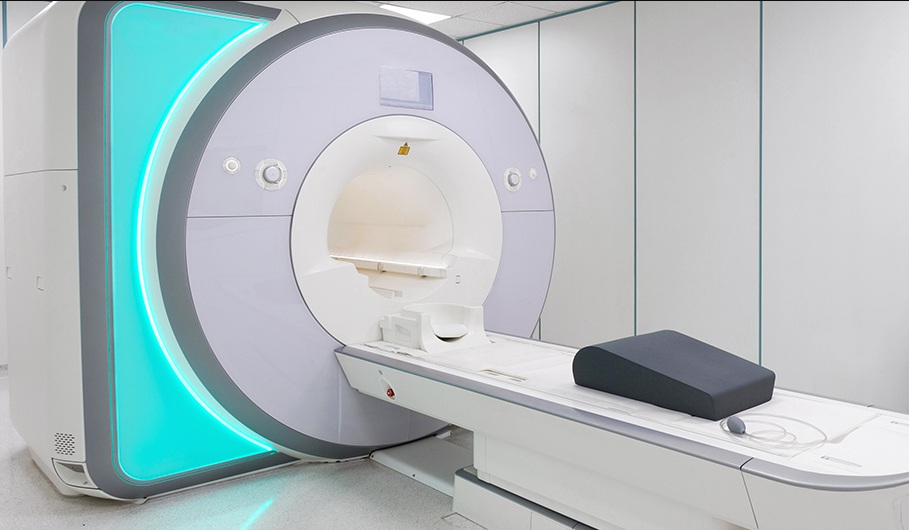
For many people, the thought of a Magnetic Resonance Imaging (MRI) scan brings a wave of anxiety. The traditional closed MRI unit, often described as a long, narrow tunnel, can be an intimidating prospect. This is especially true for individuals who experience claustrophobia, an intense fear of enclosed spaces. The combination of the tight confinement, loud noises, and the need to remain still for an extended time can trigger significant stress and even panic attacks. This often leads to patients avoiding or delaying essential diagnostic imaging, which can have serious health consequences.
Fortunately, medical technology has evolved to address this common problem. The development of the claustrophobia open MRI machine has been a game-changer, offering a more comfortable and less intimidating alternative. This innovative design provides a solution for those who find the traditional MRI experience unbearable, ensuring they can get the necessary medical scans without overwhelming fear and anxiety.
This guide will explore the world of the claustrophobia open MRI machine, detailing its benefits, comparing it to traditional systems, and providing practical tips for managing MRI claustrophobia. We will discuss how this technology not only enhances patient comfort but also maintains high diagnostic quality, making it an excellent choice for a wide range of individuals.
Understanding MRI Claustrophobia and Its Impact
MRI claustrophobia is more than just a slight nervousness; it is a genuine phobia that can cause severe anxiety and physical symptoms. Studies suggest that a significant percentage of patients, up to 30%, report substantial anxiety during an MRI scan. For some, this fear is so intense that they cannot complete the procedure.
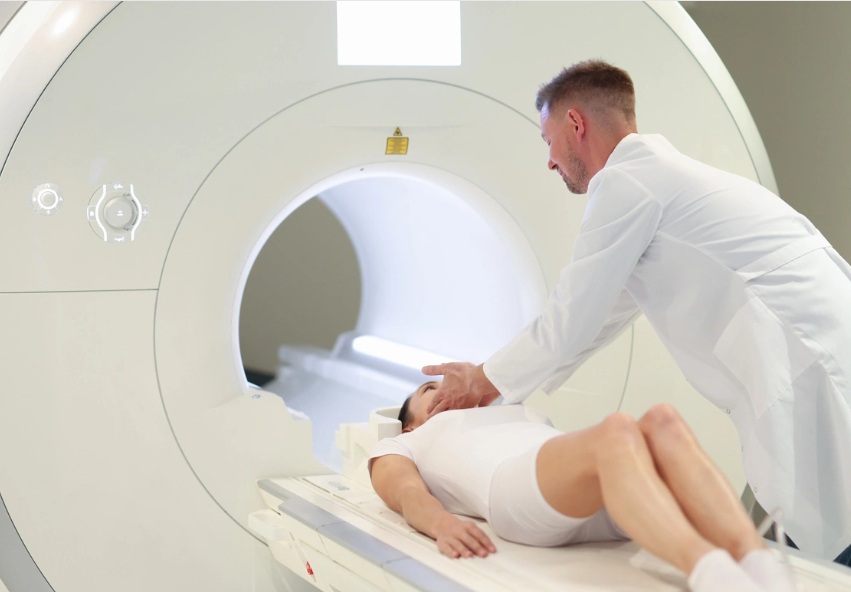
What Triggers MRI Anxiety?
Several factors contribute to the anxious feeling many patients experience during a traditional MRI:
- Sense of Confinement: The primary trigger is the enclosed nature of the closed MRI machine. Being placed inside a narrow tube can create a “trapped” feeling, which is the core of claustrophobia.
- Loud Noises: MRI machines produce loud, repetitive banging and clanging noises. While patients are given earplugs or headphones, the sound can still be jarring and add to the overall stress.
- Duration of the Scan: MRI scans are not quick. They can last anywhere from 30 to 60 minutes. Lying still in a confined space for this long can be mentally and physically challenging.
- Loss of Control: Being unable to move freely and feeling dependent on the technologist can heighten feelings of vulnerability and anxiety.
The consequences of this fear can be significant. Patients may require sedation, which carries its own risks and side effects. In other cases, they might move during the scan, compromising the image quality and requiring a repeat procedure. Worst of all, some may avoid the scan altogether, preventing doctors from diagnosing potentially serious medical conditions. This is where a claustrophobia open MRI machine becomes an invaluable tool.
What is a Claustrophobia Open MRI Machine?
An open MRI machine is designed specifically to alleviate the fears associated with traditional scans. Unlike the enclosed tunnel of a closed system, an open MRI has a different configuration that provides more space and visibility for the patient.
The Design That Makes a Difference
There are a few variations, but the most common open MRI design features two large, flat magnetic surfaces, one above the patient and one below. The sides are completely open, allowing an unobstructed view of the room. This design eliminates the “tube” and provides a sense of space that is crucial for claustrophobic individuals.
Key features of a claustrophobia open MRI machine include:
- Open Sides: This is the most significant advantage. Patients can see their surroundings, which dramatically reduces the feeling of confinement.
- More Space: The design accommodates larger patients and those with mobility issues more comfortably than a traditional machine.
- Reduced Noise: While not silent, many open MRI systems are designed to be quieter than their closed counterparts, contributing to a calmer experience.
- Patient Support: The open nature allows a friend or family member to be in the room, sometimes even holding the patient’s hand for emotional support during the scan. This direct human contact can make a world of difference.
Modern imaging centers often invest in advanced open MRI technology, such as wide-open bore MRI systems. These are technically “closed” magnets but feature an extra-wide opening and an ultra-short bore, creating an experience very similar to a fully open MRI while often providing higher magnetic field strength.
The Top Benefits of Choosing an Open MRI
For a claustrophobic patient, the decision to use a claustrophobia open MRI machine can transform a dreaded procedure into a manageable one. The benefits extend beyond just feeling more comfortable.
Dramatically Reduced Anxiety and Stress
The primary benefit is the significant reduction in anxiety and claustrophobia. The ability to see out of the machine and not feel trapped is a profound relief for many. This open environment helps patients remain calm and still, which is essential for a successful scan. When patients are relaxed, they are less likely to need sedation, making the procedure safer and simpler.
Enhanced Accessibility for All Patients
The spacious design of an open MRI is not just for claustrophobic individuals. It offers greater accessibility for:
- Larger Patients: Bariatric patients who may not fit into a traditional MRI can be comfortably accommodated.
- Pediatric Patients: Children often find the enclosed space of a standard MRI frightening. An open MRI allows a parent to stay close, providing reassurance and helping the child remain still.
- Elderly Patients: Individuals with mobility limitations or those who have trouble lying in one position for long periods can find the flexibility of an open MRI more manageable.
Improved Communication and Support
In a traditional MRI, communication is limited to an intercom system. With a claustrophobia open MRI machine, the technologist can often maintain direct visual and verbal contact with the patient. This constant communication provides reassurance and allows the patient to voice any concerns immediately. The presence of a loved one for emotional support further enhances this supportive environment.
High-Quality Imaging Without the Compromise
A common misconception about open MRI is that it sacrifices image quality. While it is true that early models had weaker magnetic fields, modern open MRI technology has advanced significantly. Today’s high-field open MRI systems can produce high-resolution images suitable for diagnosing a wide array of medical conditions, from joint and muscle injuries to neurological and abdominal issues.
For most routine diagnostic needs, the image quality from a modern claustrophobia open MRI machine is more than sufficient. While a high-field closed MRI might still be preferred for certain highly detailed scans (like complex brain imaging), the gap in diagnostic accuracy has narrowed considerably.
The following table provides a clear comparison between the two types of machines.
| Feature | Closed MRI Machine | Claustrophobia Open MRI Machine |
| Design | Enclosed, narrow tube (bore) | Open on the sides, spacious design |
| Patient Experience | Can induce high anxiety and claustrophobia | Reduces anxiety, provides comfort and visibility |
| Noise Level | Very loud | Generally quieter |
| Accessibility | Limited for larger or pediatric patients | Excellent for patients of all sizes and ages |
| Image Quality | Traditionally higher resolution (stronger magnet) | Modern systems offer high-quality, diagnostic images |
| Communication | Via intercom | Direct visual and verbal contact is possible |
| Support System | Patient is isolated | Allows a companion in the room for support |
| Best For | Highly detailed scans requiring maximum resolution | Claustrophobic, anxious, pediatric, or larger patients |
Preparing for Your Open MRI Scan
Even with the advantages of a claustrophobia open MRI machine, feeling some level of nervousness is normal. Taking a few steps to prepare can help ensure your experience is as smooth and stress-free as possible.
Talk to Your Doctor and the Imaging Center
Open communication is key. Discuss your claustrophobia or anxiety with your referring doctor. They can ensure your referral is sent to a facility that offers open MRI. When you schedule your appointment, talk to the staff about your concerns. They are experienced in helping anxious patients and can explain the procedure in detail, so you know exactly what to expect.
Practice Relaxation Techniques
Simple relaxation techniques can be very effective in managing anxiety. In the days leading up to your scan, practice deep breathing exercises. Inhale through your nose, hold for a few seconds, and exhale through your mouth. Visualization is another powerful tool—close your eyes and picture yourself in a calm, peaceful place.
Plan for Support
Ask the imaging center if you can bring a companion into the scan room with you. The presence of a trusted friend or family member can provide immense comfort. Many facilities offer headphones with a choice of music to help you relax and block out the machine’s noise.
On the Day of the Scan
Wear loose-fitting clothing without any metal snaps, zippers, or buttons. Remind the technologist about your anxiety. They are your partner in this process and will do everything they can to ensure your comfort. Remember to use the restroom before the scan begins to avoid any discomfort during the procedure.
The availability of the claustrophobia open MRI machine means that fear no longer has to be a barrier to essential medical care. It provides a compassionate, patient-friendly alternative that prioritizes both diagnostic excellence and emotional well-being. If you have been avoiding an MRI due to claustrophobia, speak with your provider about whether a claustrophobia open MRI machine is the right choice for you.
Frequently Asked Questions (FAQs)
Here are answers to some common questions about the claustrophobia open MRI machine.
1. Is an open MRI as accurate as a closed MRI?
Modern high-field open MRI machines provide excellent, high-resolution images that are diagnostically reliable for a vast majority of medical conditions. While traditional closed MRI systems with very strong magnetic fields (3T) may be preferred for certain specialized scans, a modern open MRI is more than adequate for most diagnostic needs, including spine, joint, and body imaging. The small trade-off in magnetic strength is often outweighed by the immense benefit of patient comfort and cooperation.
2. Will I need sedation for an open MRI if I am severely claustrophobic?
The need for sedation is greatly reduced with a claustrophobia open MRI machine. Most patients who cannot tolerate a closed scanner find they can complete an open scan without medication. The open design, ability to see the room, and the presence of a support person are often enough to manage anxiety. However, if your claustrophobia is exceptionally severe, you should discuss the option of mild sedation with your doctor beforehand.
3. Is an open MRI safe?
Yes, an open MRI is just as safe as a traditional MRI. The procedure uses a strong magnetic field and radio waves, not ionizing radiation (like X-rays or CT scans). The same safety precautions apply. Patients must remove all metal objects and inform the technologist about any metal implants, pacemakers, or other devices in their body.
4. How long does a scan in a claustrophobia open MRI machine take?
The duration of the scan depends on the part of the body being imaged and the complexity of the case. Scan times can be slightly longer in some open MRI systems compared to the fastest closed systems. However, the increased comfort often makes the time pass more easily for anxious patients. A typical exam can last from 30 to 60 minutes.
5. Can I choose to have an open MRI?
Absolutely. If you suffer from claustrophobia, have severe anxiety about enclosed spaces, are a larger-bodied individual, or believe you would be more comfortable in an open system, you can request one. Talk to your healthcare provider about your concerns and ask them to refer you to an imaging center that offers a claustrophobia open MRI machine. Patient preference is a valid reason to choose this option.

