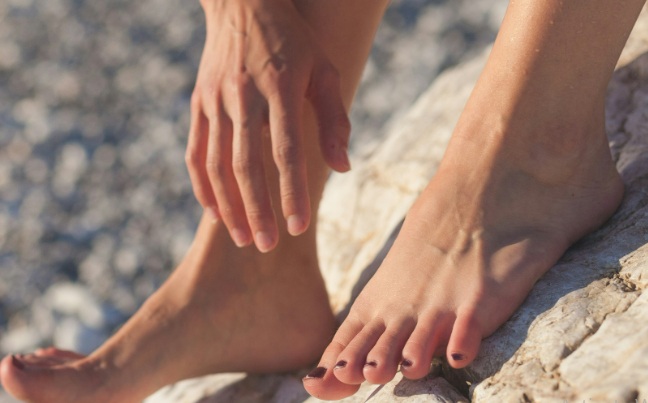
Footography has emerged from a niche interest into a significant field of visual culture. It blends artistry with commercial opportunity, capturing the unique beauty and form of the human foot. This guide explores the world of footography, covering everything from its definition and artistic techniques to its growing role in advertising and the various ways photographers can monetize their work. Whether you are a curious hobbyist or an aspiring professional, understanding footography opens up a new perspective on photography.
What Exactly is Footography?
At its core, footography is the art of photographing feet. However, it goes far beyond simple snapshots. It is a specialized genre that combines elements of portrait, fashion, and fine art photography. The goal is to create compelling images that can tell a story, showcase a product, or simply celebrate the aesthetic appeal of feet. This form of artistic expression has found a massive audience, largely thanks to the rise of social media platforms that allow creators to share their work globally.
Footography challenges conventional ideas of beauty. It highlights the intricate details, shapes, and textures of feet, transforming them into subjects of art. This cultural shift has led to a greater appreciation for foot imagery, creating a vibrant community and a market for professional photographers in this space.
The Art and Technique Behind Great Footography
Creating captivating foot photos requires more than just a good camera. It demands a solid understanding of photographic principles and a creative eye. Mastering the art of footography involves paying close attention to several key elements.
Essential Equipment for Foot Photography
While you can start with a basic smartphone, professional footography often requires specific gear to capture high-quality images.
- Camera: A DSLR or mirrorless camera that allows manual control over settings is ideal.
- Lenses: A macro lens is invaluable for capturing fine details like skin texture or nail art. A standard prime lens (like a 50mm) is also versatile for different types of shots.
- Tripod: A tripod provides stability, which is crucial for sharp, clear images, especially when using slower shutter speeds in low-light conditions.
- Lighting: Good lighting is non-negotiable. Softboxes, ring lights, and reflectors help control shadows and highlight the foot’s natural contours.
Mastering Lighting Techniques
Lighting is one of the most critical aspects of footo graphy. It sets the mood and defines the quality of the final image.
- Natural Light: Soft, diffused natural light from a window is often the most flattering. It creates gentle shadows and a very organic look.
- Side Lighting: Positioning your light source to the side of the subject can create depth and emphasize textures, making the photo more dramatic.
- Ring Lights: For close-up shots, a ring light provides even, shadowless illumination that is perfect for showcasing details clearly.
Composition Tips for Compelling Images
How you frame your shot can make or break a photo. Strong composition guides the viewer’s eye and creates a balanced, interesting image.
- Rule of Thirds: Place the main subject off-center to create a more dynamic composition.
- Angles: Experiment with different angles. A top-down view is great for showing off pedicures, while a low angle can emphasize arches and curves.
- Props and Backgrounds: Use props like shoes, fabrics, or natural elements (sand, water) to add context and visual interest. A clean, uncluttered background keeps the focus on the feet.
Footography as a Professional Niche
Footography has carved out a distinct and profitable niche within the professional photography industry. It offers a way for photographers to specialize and stand out in a crowded market. The demand for high-quality foot imagery comes from various sectors, creating diverse career opportunities.
This specialization in footography requires a unique skill set. Professionals must understand foot anatomy, master lighting for different skin tones, and develop an eye for compositions that highlight foot aesthetics. Building a strong portfolio is essential for showcasing these skills to potential clients.
The Intersection with Foot Modeling
Footography and foot modeling are deeply intertwined. A successful photoshoot is a collaboration between the photographer and the model. Professional foot models know how to pose their feet to create elegant lines and appealing shapes. They also prioritize foot care to ensure their feet are always photo-ready. This partnership is key to producing stunning foot portraits and high-impact commercial images.
Commercial and Advertising Applications
The commercial use of footo graphy is widespread and growing. Brands across various industries use foot imagery to connect with consumers and market their products effectively.
Fashion and Beauty Campaigns
In the fashion and beauty world, footography is essential. It’s used to advertise:
- Footwear: From sneakers to high heels, compelling photos are needed to showcase shoe designs.
- Nail Polish: Close-up shots of perfectly painted toenails are a staple of beauty campaigns.
- Foot Care Products: Lotions, creams, and other treatments are often marketed with images of healthy, well-cared-for feet.
Health and Wellness Marketing
The health and wellness industry also relies heavily on footo graphy. Images are used to promote:
- Orthopedic Products: Showing the comfort and support of items like insoles or specialized shoes.
- Spa Services: Evoking a sense of relaxation and pampering through images of foot massages and pedicures.
- Medical Information: Educational content about foot health often uses clear, professional photographs.
| Application Area | Primary Goal | Common Imagery Style |
| Fashion | Showcase style and design | Elegant, dynamic, accessory-focused |
| Beauty | Highlight cosmetic products | Clean, close-up, detailed |
| Wellness | Promote comfort and health | Relaxing, natural, lifestyle-oriented |
| Art | Evoke emotion and expression | Creative, abstract, unconventional |
Marketing and Monetization Strategies for Footographers
For those looking to turn their passion for footography into a business, there are numerous monetization opportunities. Success requires smart marketing strategies and a clear understanding of the market.
Building Your Brand and Portfolio
Your portfolio is your most important marketing tool. Build a diverse collection of your best work that showcases your unique style. Create a professional website and use social media platforms like Instagram, Pinterest, and Flickr to share your photos. A strong brand identity will help you attract your target audience, whether you’re focused on artistic prints or commercial projects. This approach is fundamental to a successful footo graphy business.
Selling Prints and Digital Content
One of the most direct ways to make money from footography is by selling your photos.
- Stock Photography: Websites like Adobe Stock and Getty Images allow you to sell licenses for your images to a broad audience.
- Prints: Sell high-quality prints of your artistic footography work through your own website or online galleries.
- Subscription Platforms: Sites like FeetFinder or Patreon allow creators to offer exclusive content to paying subscribers, catering to a niche audience interested in footography.
Offering Professional Services
You can also offer your skills as a service.
- Custom Shoots: Provide tailored photoshoots for private clients or brands with specific needs.
- Commercial Projects: Work with advertising agencies and companies on campaigns for fashion, beauty, or wellness products.
- Workshops and Courses: Share your expertise by teaching aspiring footographers your techniques.
Ethical and Legal Considerations
As with any form of photography involving people, footography comes with important ethical considerations.
- Consent: Always obtain clear and enthusiastic consent from your models. A written model release is essential, outlining how the images will be used.
- Respect: Create a safe and professional environment during photoshoots. Respect your model’s boundaries and comfort levels at all times.
- Copyright: Protect your work by watermarking your images online and registering your copyright. This gives you legal recourse if your photos are used without permission.
- Platform Policies: Be aware of the content policies of any platform you use to sell or share your work. Some platforms have strict rules regarding nude or erotic content. Navigating these rules is a key part of professional footo graphy.
Exploring footo graphy reveals a field rich with creative potential and business opportunities. It’s a testament to how art can find beauty in unexpected places. The world of footography continues to expand, offering a unique path for photographers everywhere.
Frequently Asked Questions (FAQs)
- What is footography?
Footography is a specialized genre of photography that focuses on the human foot as its subject. It spans from artistic and fine art imagery to commercial photos used in fashion, beauty, and wellness advertising. - Why is footography so popular?
Its popularity has grown due to social media, which has provided a platform for creators to share their work and build communities. There is also a growing cultural appreciation for different forms of beauty and artistic expression, which has helped destigmatize the subject. - What equipment do I need to start footography?
You can start with a good smartphone, but for professional results, a DSLR or mirrorless camera, a macro lens for detail shots, and good lighting equipment like a ring light or softbox are recommended for quality footography. - How can I make money from footo graphy?
Monetization opportunities include selling photos on stock photography sites, offering prints, providing exclusive content on subscription platforms, working on commercial projects for brands, and offering custom photoshoots for private clients. - What are the key ethical considerations in footo graphy?
The most important ethical considerations are obtaining explicit consent from models through a signed release, respecting their boundaries and privacy, and creating a safe, professional environment. Adhering to copyright laws and platform content policies is also crucial.

