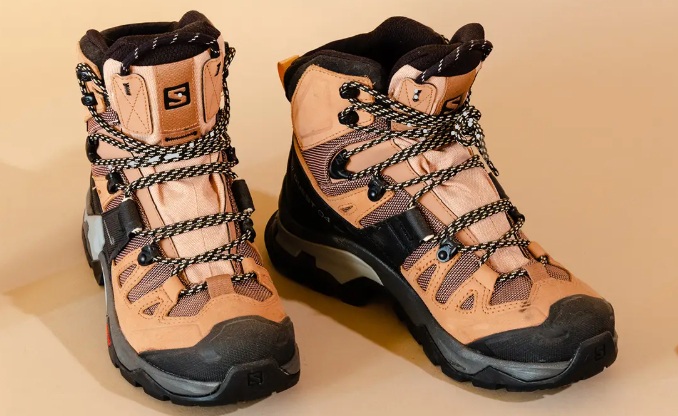
There is nothing quite like the feeling of hitting the trail early in the morning. The air is crisp, the path ahead is full of promise, and you are ready for a day of outdoor adventures. However, nothing ruins that experience faster than sore feet, blisters, or a twisted ankle. This is why finding the best hiking boots for men is perhaps the most critical decision you will make when building your hiking gear collection.
Your feet are your primary mode of transportation in the wilderness. They deserve foot protection that stands up to rugged terrain, sharp rocks, and unpredictable weather. Whether you are planning a multi-day backpacking trip carrying a heavy load or just a quick weekend jaunt on local trails, the right footwear makes all the difference. In this guide, we will dive deep into the top contenders for 2026, helping you navigate the vast market of waterproof boots, leather boots, and lightweight hikers to find your perfect match.
Why Your Choice of Boot Matters
When you start searching for the best hiking boots for men, you aren’t just looking for style. You are looking for a tool that keeps you safe and comfortable. The wrong boots can lead to fatigue and injury, while the right pair feels like an extension of your body.
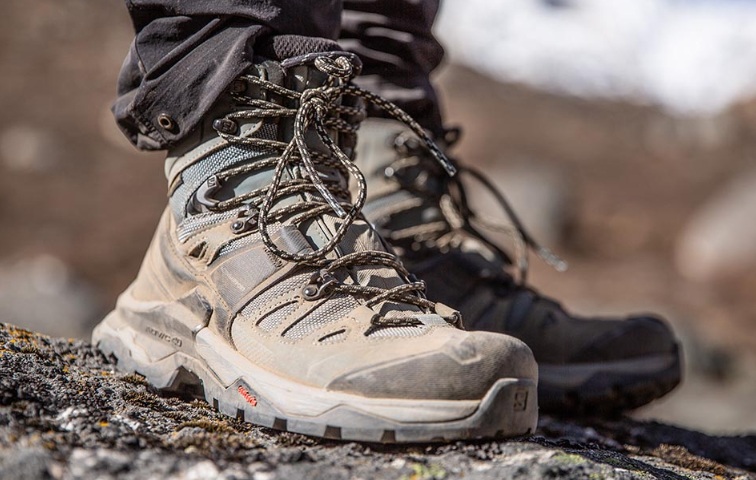
Quality hiking boots provide essential ankle support, which is vital when you are navigating uneven ground or carrying a heavy pack. They offer stability that trail runners often lack, preventing slips on loose gravel or mud. Furthermore, traction is a non-negotiable feature. You need to trust that your feet will stay put whether you are scrambling up a rock face or descending a slippery slope. By prioritizing durable materials and comfort, you ensure that your investment lasts for hundreds of miles.
Top Picks: The Best Hiking Boots for Men in 2026
We have analyzed the top-performing models on the market to help you find the best hiking boots for men. These selections balance weight, durability, and price to suit every type of hiker.
1. Best Overall: Hoka Kaha 3 GTX
If comfort is your top priority, the Hoka Kaha 3 GTX is tough to beat. Hoka has built a reputation on maximalist cushioning, and they have brought that plush feel to the trail. These are widely considered some of the best hiking boots for men because they effectively reduce fatigue over long distances.
The Kaha 3 features GORE-TEX waterproofing, ensuring your feet stay dry even when crossing shallow streams or hiking through wet grass. Despite their bulky appearance, they are surprisingly lightweight, making them an excellent choice for hikers who want foot protection without feeling like they are dragging concrete blocks on their feet. The Vibram soles with Megagrip provide exceptional grip, ensuring you stay upright on slick surfaces.
2. Best for Heavy Backpacking: Salomon Quest 4 GTX
When you are carrying a heavy pack deep into the backcountry, you need a boot that acts like a tank but feels like a shoe. The Salomon Quest 4 GTX is frequently cited as one of the best hiking boots for men for rigorous backpacking trips.
This boot excels in providing stability. The chassis design guides your foot and reduces strain on your ankles, which is a lifesaver when your legs get tired. They offer high-cut ankle support and utilize durable materials like leather and abrasion-resistant mesh. While they are heavier than the Hoka Kaha, the trade-off is superior protection and support for rough terrain. These are true trail-ready workhorses designed for serious outdoor adventures.
3. Best Budget-Friendly Option: Merrell Moab 3 Mid Waterproof
You do not always have to spend a fortune to get high-quality gear. The Merrell Moab 3 Mid is the definitive budget-friendly choice and remains one of the most popular boots on the trail. For many casual hikers, these are the best hiking boots for men simply because they offer incredible value.
The Moab 3 requires almost no break-in period. You can take them out of the box and hit the trail immediately. They feature a mix of leather and synthetic uppers, which keeps them relatively light and flexible. While the traction isn’t quite as aggressive as the Quest 4, the Vibram outsole handles most moderate trails with ease. They are available in a wide fit, making them accessible for hikers with broader feet who often struggle to find comfortable footwear.
4. Best Leather Boot: Lowa Renegade GTX Mid
For those who prefer the classic look and feel of leather, the Lowa Renegade GTX Mid is a top contender for the title of best hiking boots for men. These boots blend traditional craftsmanship with modern technology.
The nubuck leather upper is robust and naturally water-resistant, bolstered by a GORE-TEX lining. What sets the Renegade apart is its longevity. These leather boots mold to your feet over time, creating a custom fit that synthetic boots rarely match. They provide excellent stability without being overly stiff. If you want a boot that can handle years of abuse while maintaining its structure, the Lowa Renegade is a smart investment.
5. Best Lightweight Hiker: Salomon X Ultra 5 Mid GTX
Speed and agility are the names of the game for the Salomon X Ultra 5. If you prefer moving fast and feel weighed down by traditional boots, these are likely the best hiking boots for men for your style.
They feel more like a reinforced trail running shoe than a boot. The synthetic uppers are sleek and breathable, making them ideal for warmer weather or high-output activities. Despite being lightweight, they do not skimp on traction or waterproof boots capabilities. The advanced chassis offers decent ankle support, though less than the Quest 4. For day hikes or light/fast backpacking missions, these boots are hard to beat.
Comparison of Top Hiking Boots
To help you visualize the differences, here is a quick comparison of our top selections for the best hiking boots for men.
| Model | Best For | Weight (Pair) | Waterproofing | Upper Material |
| Hoka Kaha 3 GTX | Overall Comfort | ~3.0 lbs | GORE-TEX | Nubuck Leather |
| Salomon Quest 4 GTX | Heavy Backpacking | ~3.3 lbs | GORE-TEX | Leather / Mesh |
| Merrell Moab 3 | Budget / Value | ~2.4 lbs | Merrell Membrane | Leather / Mesh |
| Lowa Renegade GTX | Durability | ~2.6 lbs | GORE-TEX | Nubuck Leather |
| Salomon X Ultra 5 | Lightweight / Speed | ~2.4 lbs | GORE-TEX | Synthetic |
Key Features to Look For in Hiking Boots
Searching for the best hiking boots for men can be overwhelming because of the technical jargon. Let’s break down the essential features you need to understand to make an informed purchase.
Waterproofing and Breathability
Most top-tier hiking boots are waterproof boots. This is usually achieved through a membrane like GORE-TEX or a proprietary brand technology. A waterproof liner keeps rain and puddle water out, but it also keeps sweat in.
If you hike primarily in hot, dry climates, you might want breathable boots without a waterproof membrane to allow heat to escape. However, for most all-season hikers, waterproofing is essential. If you plan on hiking in snow, you might even look for insulated boots to keep your toes warm.
Traction and Soles
The outsole is your connection to the ground. The best hiking shoes for men almost universally use high-quality rubber compounds. Vibram soles are the industry gold standard for grip and durability. Look for deep lugs (the bumps on the bottom) if you plan on hiking in mud or loose scree. Good traction prevents slips and helps you brake effectively when walking downhill.
Materials: Leather vs. Synthetic
The debate between leather boots and synthetic uppers comes down to durability versus weight.
- Leather: generally heavier but more durable and abrasion-resistant. It molds to your foot but takes longer to break in.
- Synthetic: usually nylon or polyester. These are lightweight, break in quickly, and dry faster if they get soaked inside.
Many of the best hiking boots for men use a hybrid approach, placing leather in high-wear areas and synthetic mesh in areas that need to flex and breathe.
Fit and Support
Fit is king. Even the most expensive boot will ruin your trip if it doesn’t fit your foot shape. Many brands now offer wide fit options, which is a blessing for hikers who need extra room in the toe box.
Ankle support varies by cut. Mid-cut boots offer a balance of protection and flexibility, while high-cut boots (like the Quest 4) provide maximum stability for heavy loads. When trying on boots, wear the socks you plan to hike in. Your heel should be locked in place, and your toes should not hit the front of the boot when you tap it on the ground.
How to Care for Your Boots
Once you have purchased the best hiking boots for men, you want them to last. Proper care extends the life of your hiking gear significantly.
- Clean them after every trip: Mud sucks moisture out of leather, causing it to crack. Use a soft brush and water to remove dirt.
- Re-waterproof regularly: The factory water repellent coating wears off. Use a spray or wax treatment suitable for your boot material (whether it is GORE-TEX or leather).
- Dry them properly: Never put your boots next to a fire or heater. High heat damages the glue and leather. Remove the insoles and let them air dry in a cool, shaded spot.
Making the Final Decision
Choosing the best hiking shoes for men is a personal journey. What works for your friend might not work for you. Consider the terrain you hike most often. Is it rocky and technical? You need durable soles and ankle protection. Is it flat and groomed? A lightweight hiker will suffice.
Consider your load weight. If you are an ultralight backpacker, you can get away with lighter, more flexible boots. If you are hauling 50 pounds of gear for a week in the wilderness, you need the stiffness and support of a burlier boot.
Ultimately, the best hiking boots for men are the ones that you forget you are wearing. When your feet are happy, you can focus on the stunning views, the fresh air, and the joy of the trail.
Frequently Asked Questions
1. Do I really need waterproof hiking boots?
For most hikers, yes. Weather in the mountains is unpredictable. Even if it isn’t raining, you will likely encounter mud, stream crossings, or wet dew on the grass. Waterproof boots like those with GORE-TEX provide a safety net that keeps your feet dry and blister-free. However, if you hike exclusively in hot deserts, a non-waterproof, highly breathable shoe might be better to prevent overheating.
2. How much room should I have in my hiking boots?
You should have about a thumb’s width of space between your longest toe and the end of the boot. Your feet will swell during a long day of hiking, and you need that extra space to prevent your toes from jamming into the front of the boot on descents, which causes black toenails. This is why finding the best hiking boots for men often involves sizing up half a size from your street shoes.
3. How long does it take to break in hiking boots?
It depends on the material. Boots with synthetic uppers often feel comfortable right out of the box. Heavy leather boots might require 1-2 weeks of wear to soften up and mold to your feet. It is crucial to wear them around the house or on short walks before committing to a long hike to avoid painful blisters.
4. Can I use trail running shoes instead of hiking boots?
Yes, many people do, especially ultralight backpackers. Trail runners are lightweight and breathable. However, they lack the ankle support and foot protection of a dedicated hiking boot. If you have strong ankles and carry a light pack, they are a great option. If you are carrying a heavy load or hiking on very rugged terrain, one of the best hiking boots for men listed above is a safer choice.
5. How often should I replace my hiking boots?
A general rule of thumb is every 500 to 1,000 miles. However, inspect your boots regularly. If the tread is worn down (reducing traction), the midsole is compressed (reducing comfort), or the uppers are tearing, it is time for a new pair. Investing in the best hiking boots for men ensures you get better mileage, but even durable materials eventually wear out.

